
Powering purpose at Africa Energy Indaba 2026
Between March 3rd and 5th, 2026, I attended the Africa Energy Indaba 2026 event, as a result of a Rolling Fund window for Future Female Leader graduates, funded by TEA-LP. My participation was motivated by the fact that it is a platform for discovering insights, connecting with experts, and contributing to the growth of the African energy sector, offering an annual program that shapes Africa’s energy policy. The conference brings together individuals from diverse parts of the world (CEOs, pioneers, executives, government officials such as ministers, and industry leaders), providing a great opportunity to learn, share knowledge, and network.

Jéssica Yana da Conceição Munguambe at the Africa Energy Indaba 2026. Source: JM
As an architect and urban planner, specialising in climate, and with a business focused on energy efficiency in buildings, I was interested in participating in this event. The objective was to learn about the energy sector in Africa, especially in construction, and establish partnerships for the development of energy consumption and management solutions. In addition, as a team leader, I intended to stay updated on innovations to reduce costs, forge partnerships, and expand the market, promoting energy efficiency and collaboration.
Furthermore, I wanted to stay abreast of current discussions on energy transformation, innovation, and the promotion of positive change through research and the implementation of new techniques, technologies and equipment. Being a large platform, I aimed to connect with various women leaders in the energy sector, which allows for the strengthening of female and professional ties, enhancing our presence in this sector and uniting feminine sensitivity to everyday aspects with electrification. The main goal was to contribute to the purpose of motivating my team and young women in Mozambique and Africa, and to create positive impact by promoting sustainable construction, not only in the projects I have carried out, but also in self-construction, which is common in Africa.
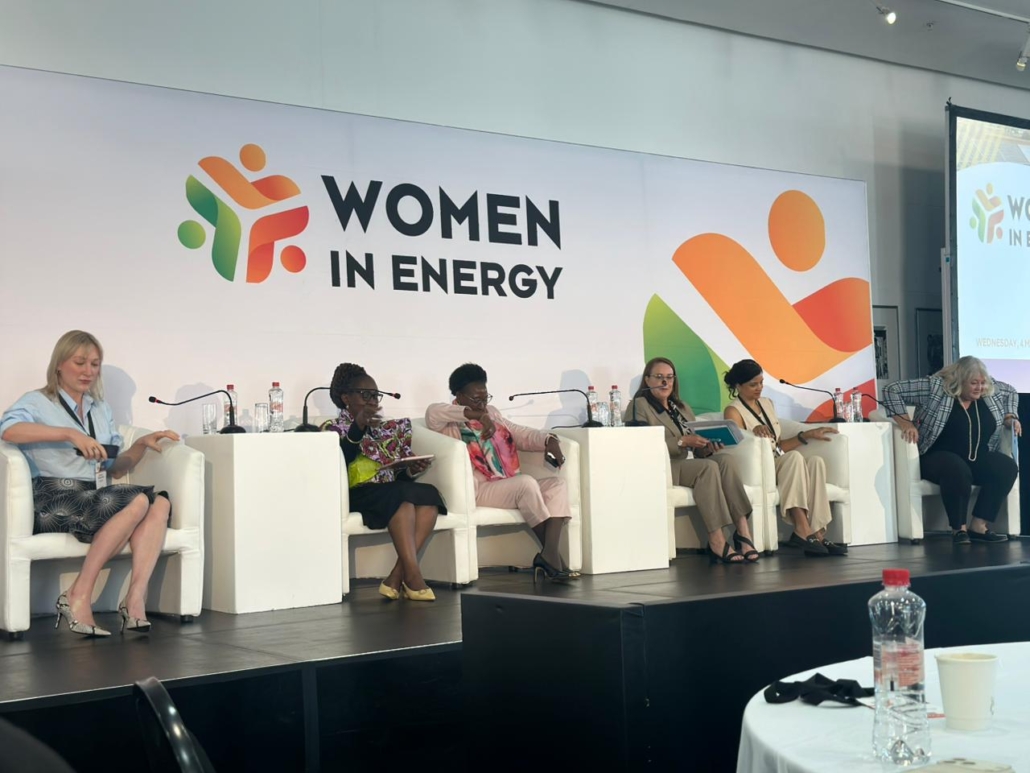
The Women in Energy breakfast. Source: JM
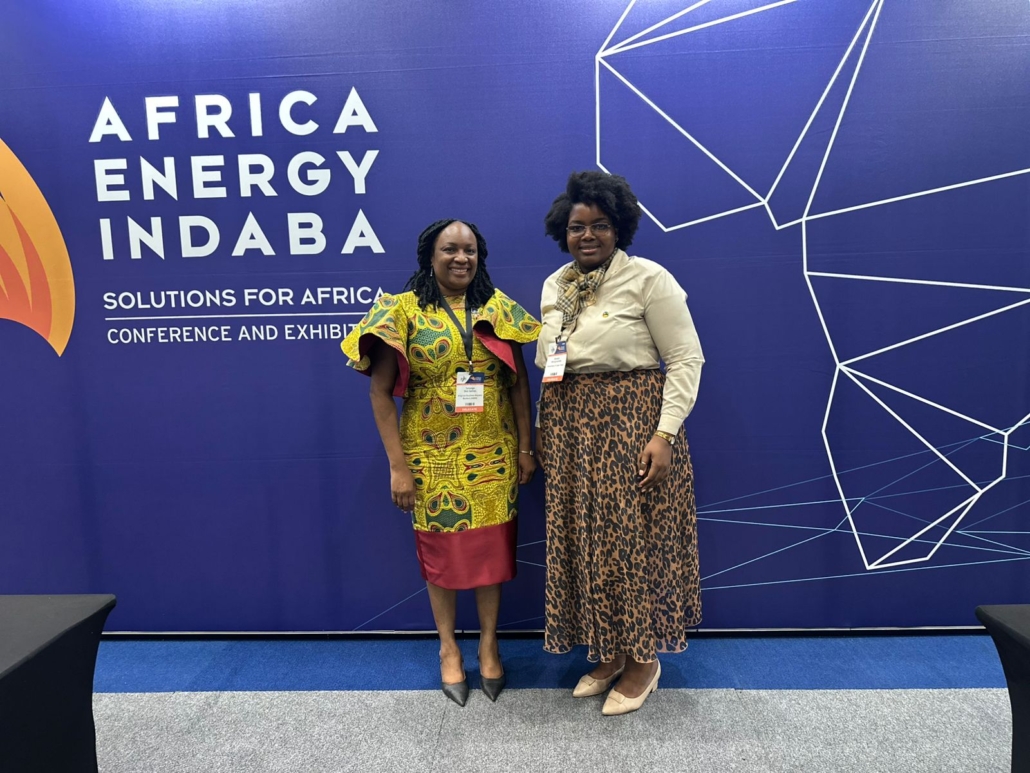
Nenette Solange dos Santos (left) from Angolan Business Beyond Borders and Jéssica Yana da Conceição Munguambe. Source: JM
I gained a great deal by participating in this conference, including sharing and acquiring knowledge, information on current discussions about the energy sector (and other associated sectors, including construction), initiating business partnerships, and even learning from great leaders, including CEOs, pioneers, executives, and the participation of government officials. My gains far exceeded my expectations. Among the various updates, it was emphasised that (i) if our objective is the clean transition, we must provide clean supply equipment, include climate in all actions, and realise international cooperation between stakeholders; (ii) Africa is projected to be the most impacted by climate change, in part because of poor infrastructure. So then, we must look for solutions, not because of the clean transition, but because of the poor access to energy; (iii) if Africa continues not to implement an integrated energy system, we will continue to have problems with access, quality, and quantity of energy; (iv) In Africa, the use of solar panels and batteries is not because of the clean transition, but because of access and cost. Areas with no access to electricity are the ones that are most motivated and influenced to have solar panels. Why? Are solar panels an option for the gap in access and for poor people, or for the transition?; (v) in the world, decarbonisation is about emissions. In Africa, that involves development: new industries, services, and commerce.
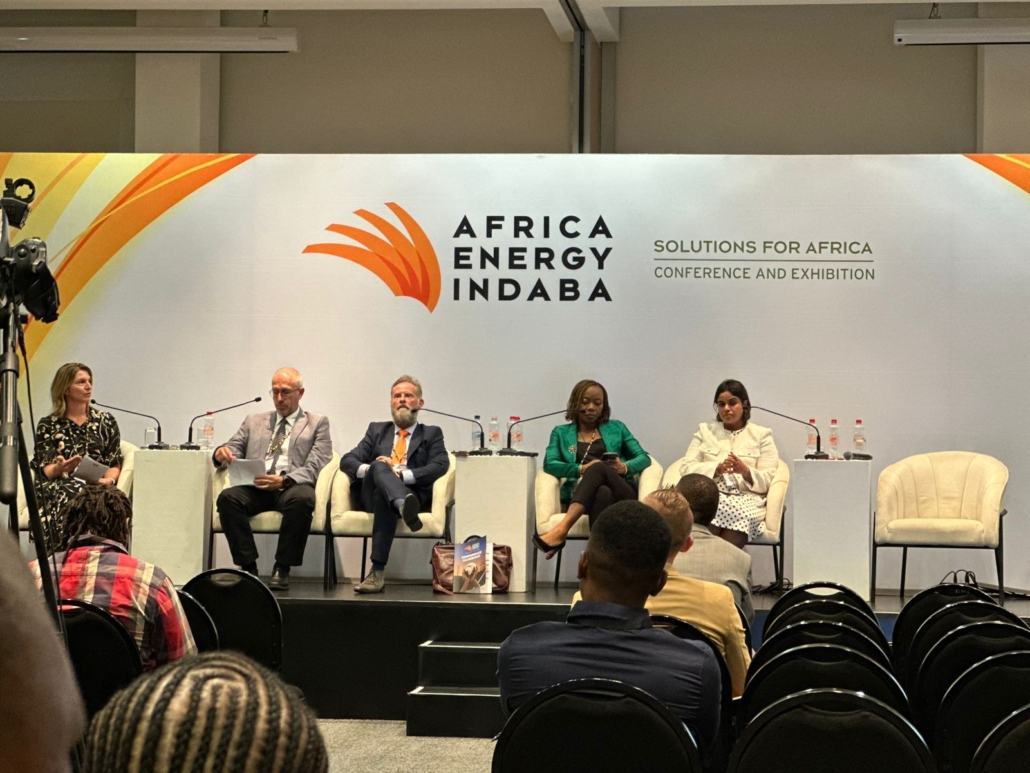
Panel discussion on Renewable Energy as a Catalyst for Development. Source: JM
In addition to these insights, I had the opportunity to receive mentoring on leadership, and the key takeaways were (i) it’s better to make a little money, but in everything we do, we must win (money, knowledge, networking); (ii) always engage in dialogue; (iii) identify the right business partner; (iv) explore all information before assigning anything; (v) write everything down: thoughts, ideas, results, losses, revenues, inspirations… write them down; (vi) being a leader means motivating a team and taking care of the team’s mindset; (vii) boss – just win, and that’s the first victory whereas a leader – motivate, make the team win, and they win later. I also had the opportunity to exchange ideas and start conversations that can expand my work in energy efficiency on buildings to South Africa, and I can contribute to the organisation by helping design training in that area. For my business, I found a marketing agency that will help me, considering that it is an area with a gap in my business.
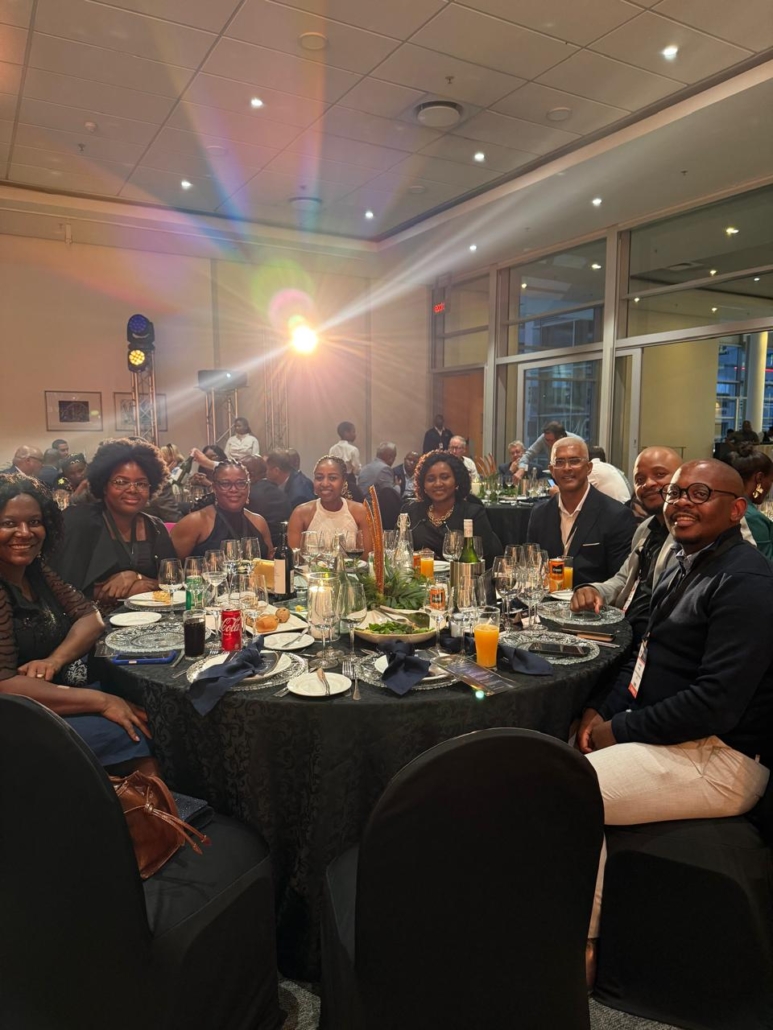
Networking at the gala dinner: Source: JM
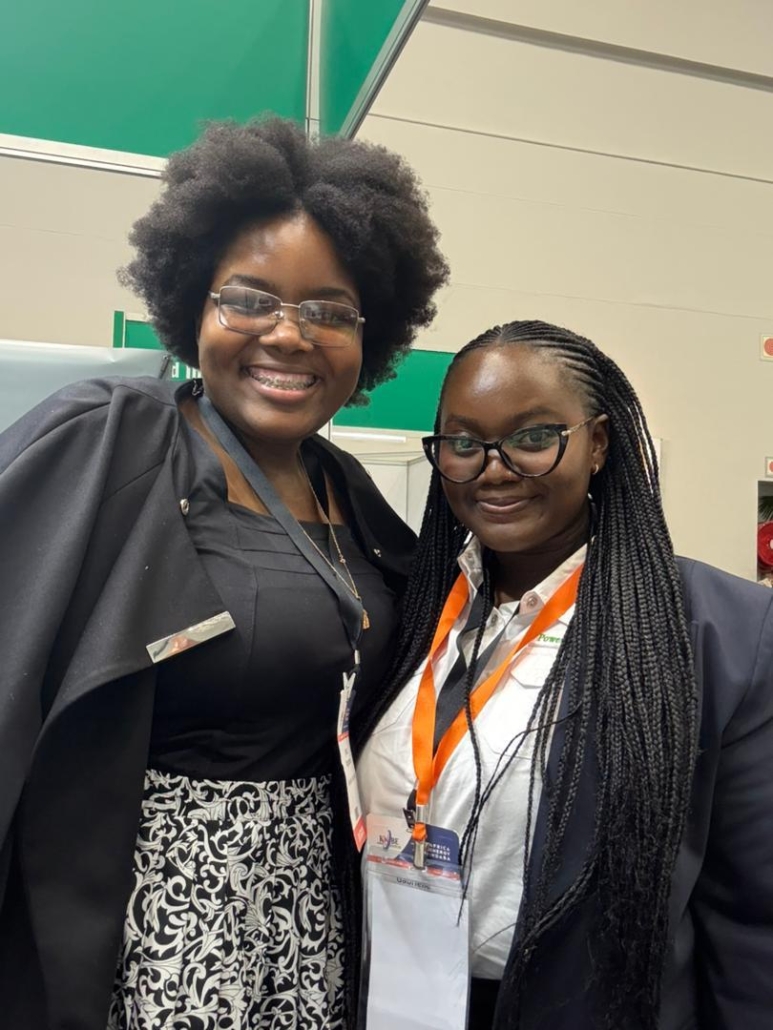
Jéssica Yana da Conceição Munguambe (left) and Gabriella Malindi (right) from ZESCO discussing energy efficiency in building design. Source: JM
All of this experience is extremely important, both for my business and for me personally. On a professional level, I will improve my team leadership and negotiation skills; reinforce the approach to solar panels as a clean energy source, not just an alternative to poor energy access; improve the visual identity and increase the digital presence of my business; start designing training focused on energy efficiency in buildings; and expand my business in partnership to South Africa. On a personal level, it has increased my knowledge, my network of contacts, given me more confidence, and enhanced my management and personal leadership skills.
Thank you, TEA-LP, once again.
– Written by Jéssica Yana da Conceição Munguambe
The TEA-LP is supported by UKAID under the Transforming Energy Access Platform.

