
Harare Institute of Technology joins the TEA-LP
The Transforming Energy Access – Learning Partnership (TEA-LP) is pleased to welcome the Harare Institute of Technology (HIT) to our growing network of universities and research institutions working to accelerate progress on energy access across the Global South. As one of Zimbabwe’s leading innovation and technopreneurship-focused universities, HIT brings a distinctive combination of applied research, engineering expertise, and industry collaboration that strongly complements the TEA-LP’s mission to strengthen education, research, and innovation for sustainable energy systems.
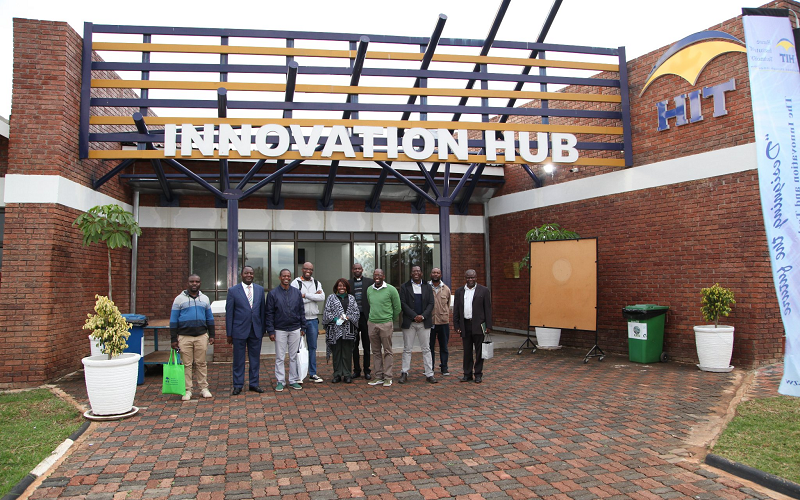
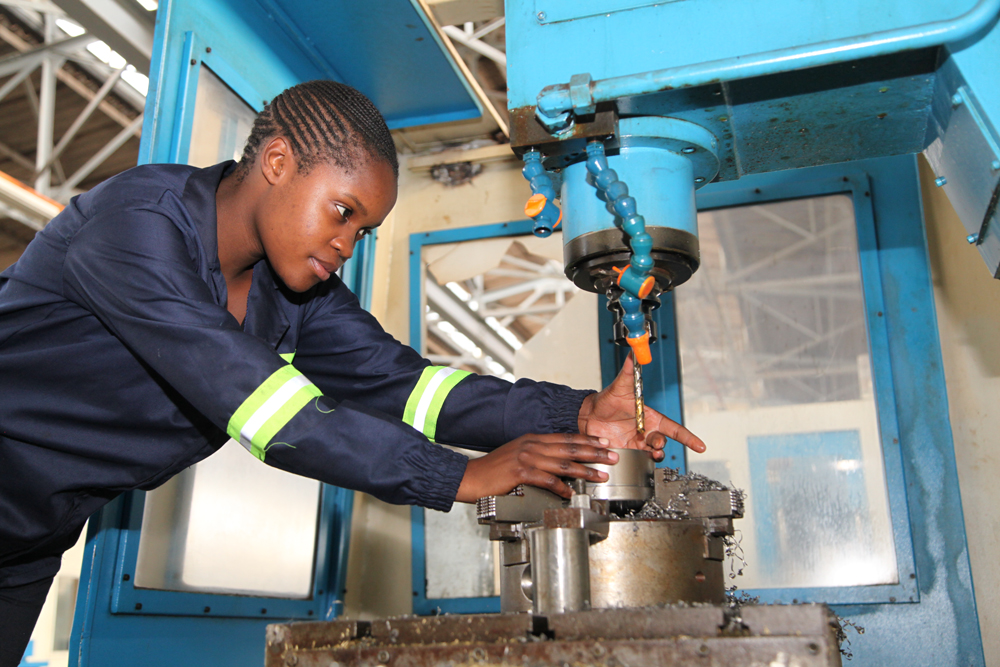
Workshop day at HIT. Source: HIT
HIT’s joining the TEA-LP reflects a shared commitment to transforming energy access through practical solutions that deliver real-world impact. With a mandate centred on technology development, incubation, and commercialisation, the university views the partnership as an opportunity to deepen collaboration with institutions across Africa and Asia while expanding its contribution to the development of equitable and sustainable energy systems.
At its core, HIT’s work closely aligns with the objectives of the TEA-LP: bridging the gap between research and implementation to ensure that innovations translate into improved energy access and reliability. The institution has built a strong portfolio of teaching and research programmes in renewable energy engineering, power systems, solar technology, and sustainable infrastructure. These activities are underpinned by a practical approach to training that prioritises hands-on learning, industry engagement, and problem-driven innovation. The university is actively advancing work in renewable energy generation and integration, smart grids and resilient infrastructure, climate-smart innovation, and green technologies. It is also exploring emerging approaches to environmental monitoring and sustainable industrialisation through technology-driven solutions. Together, these focus areas position HIT as a valuable contributor to the network’s collective knowledge and expertise.
Zimbabwe’s energy context makes this partnership particularly meaningful. Like many countries across the region, Zimbabwe faces persistent challenges related to energy access, including unreliable electricity supply, infrastructure constraints, and limited local capacity for renewable energy manufacturing and deployment. Rural and peri-urban communities in particular, continue to experience gaps in reliable power access, while grid instability and financing barriers slow the adoption of decentralised energy solutions.
HIT’s research and innovation agenda directly addresses many of these systemic challenges. Faculty and researchers are working on solutions for integrating renewable energy into ageing grid infrastructure, developing affordable decentralised energy technologies, improving grid resilience and load balancing, and advancing energy storage systems. These efforts are designed to produce practical outcomes that support urban energy planning, off-grid electrification, and industrial energy efficiency programmes across Zimbabwe.
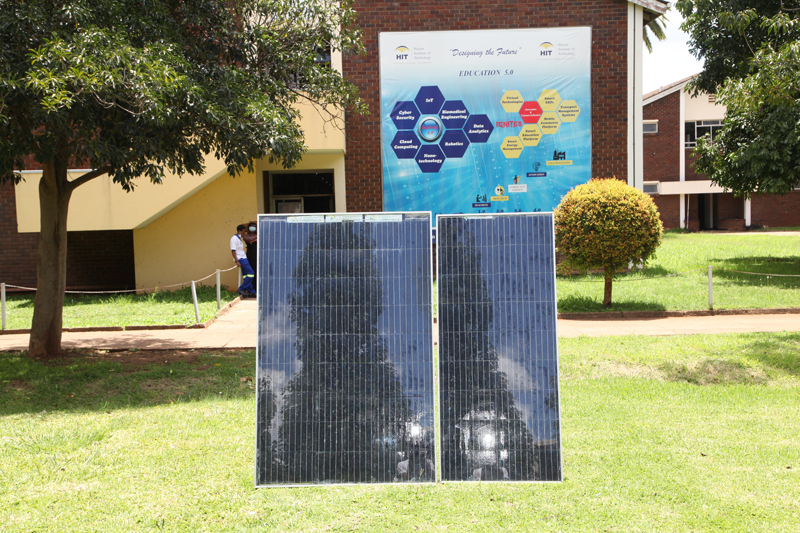
Solar panel produced at HIT. Source: HIT
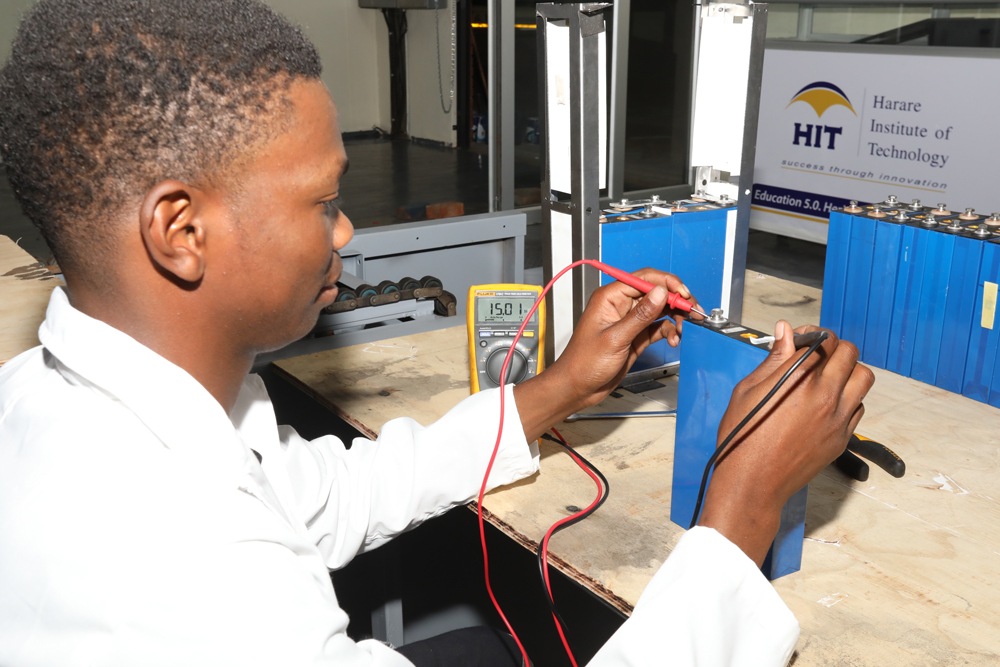
Lithium battery produced at HIT. Source: HIT
HIT has already demonstrated their approach through a range of flagship initiatives. These include solar micro-grid demonstration projects, renewable energy training programmes, and research on smart energy management systems and grid resilience. The university is also exploring opportunities in solar panel manufacturing, lithium beneficiation and battery development, and solar-powered equipment aimed at reducing post-harvest agricultural losses. Innovation hubs at the institution further support clean-technology start-ups, creating pathways for new ideas to move from the laboratory to real-world deployment.
Equally important is HIT’s commitment to capacity building. Students are prepared for careers in sustainable energy systems through laboratory work, field training, industrial attachments, and participation in innovation incubation programmes. By developing curricula in consultation with industry stakeholders, the university ensures that its graduates are equipped with the skills required by the rapidly evolving energy sector.
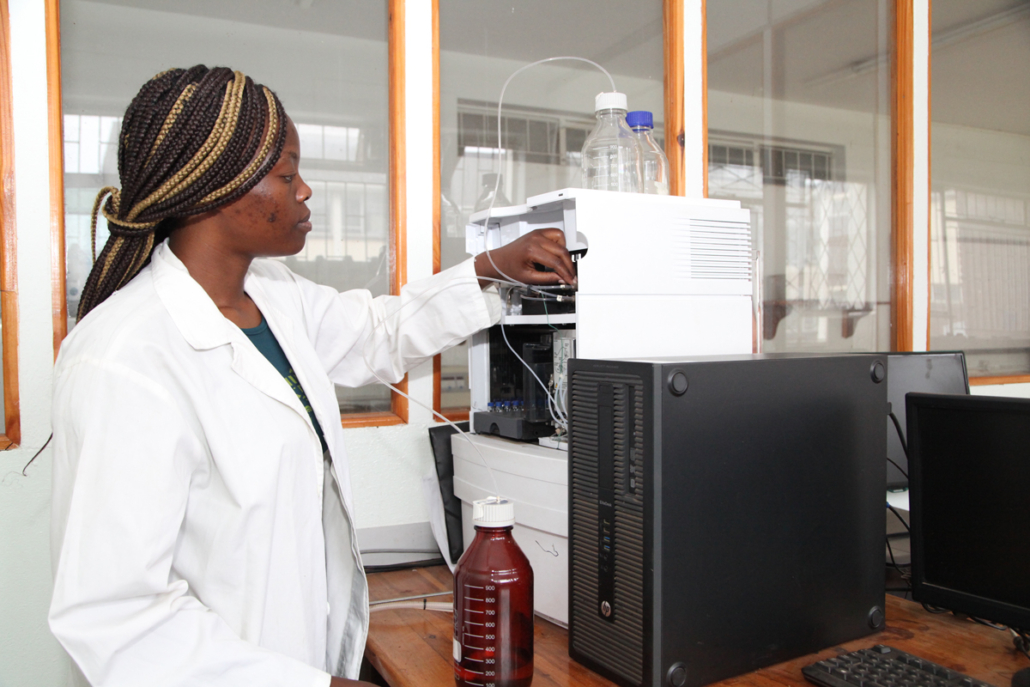
Laboratory at HIT. Source: HIT
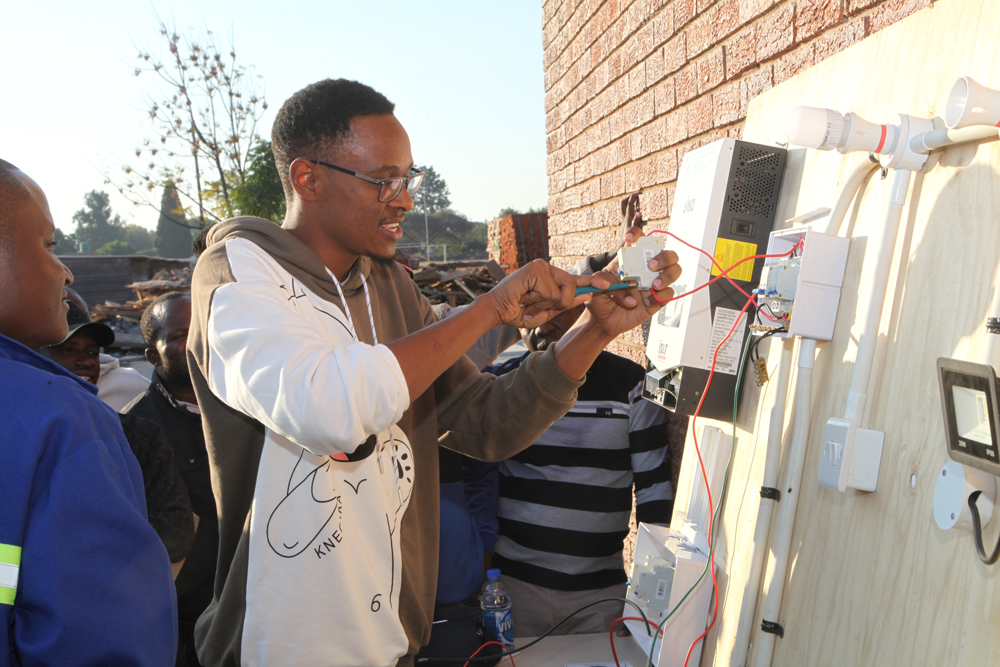
Solar installation training. Source: HIT
Interdisciplinary collaboration is another cornerstone of HIT’s approach. Recognising that energy transformation requires more than technical innovation alone, the university is building cross-disciplinary research clusters that bring together engineering, policy, finance, and urban planning. These collaborations aim to develop holistic energy solutions that address not only technical challenges but also regulatory, financial, and social dimensions of energy access.
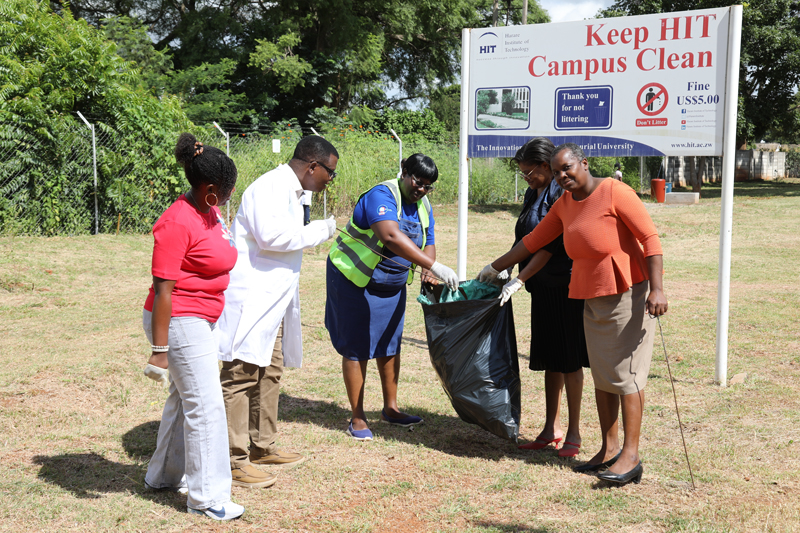
HIT Campus clean up day. Source: HIT
Looking ahead, HIT envisions becoming a regional centre of excellence in smart and sustainable energy systems over the next decade. Through continued research, innovation, skills development, and regional collaboration, the university aims to contribute meaningfully to energy transitions across the Southern African region and beyond.
We are proud to welcome HIT into our network. We trust that together, partnerships like ours strengthen the collective capacity of universities to develop and deploy the technologies, knowledge, and talent needed to advance inclusive and sustainable energy access across the Global South.

