
Building Africa’s Energy Future: TEA-LP Highlights from the 2026 Energy Access Investment Forum (EAIF)
The Transforming Energy Access – Learning Partnership (TEA-LP) recently returned from an impactful week in Nairobi, Kenya, where we participated as a strategic partner in the 2026 edition of the Energy Access Investment Forum (EAIF). Hosted by the Alliance for Rural Electrification (ARE) from April 21–24, the forum served as a vital meeting point for industry leaders, academics, and policy-makers dedicated to ending energy poverty and advancing energy access and helping the sector move towards global targets.
For TEA-LP, the week was defined by synergy, skill-building, and a shared vision for a self-sustaining African energy sector.
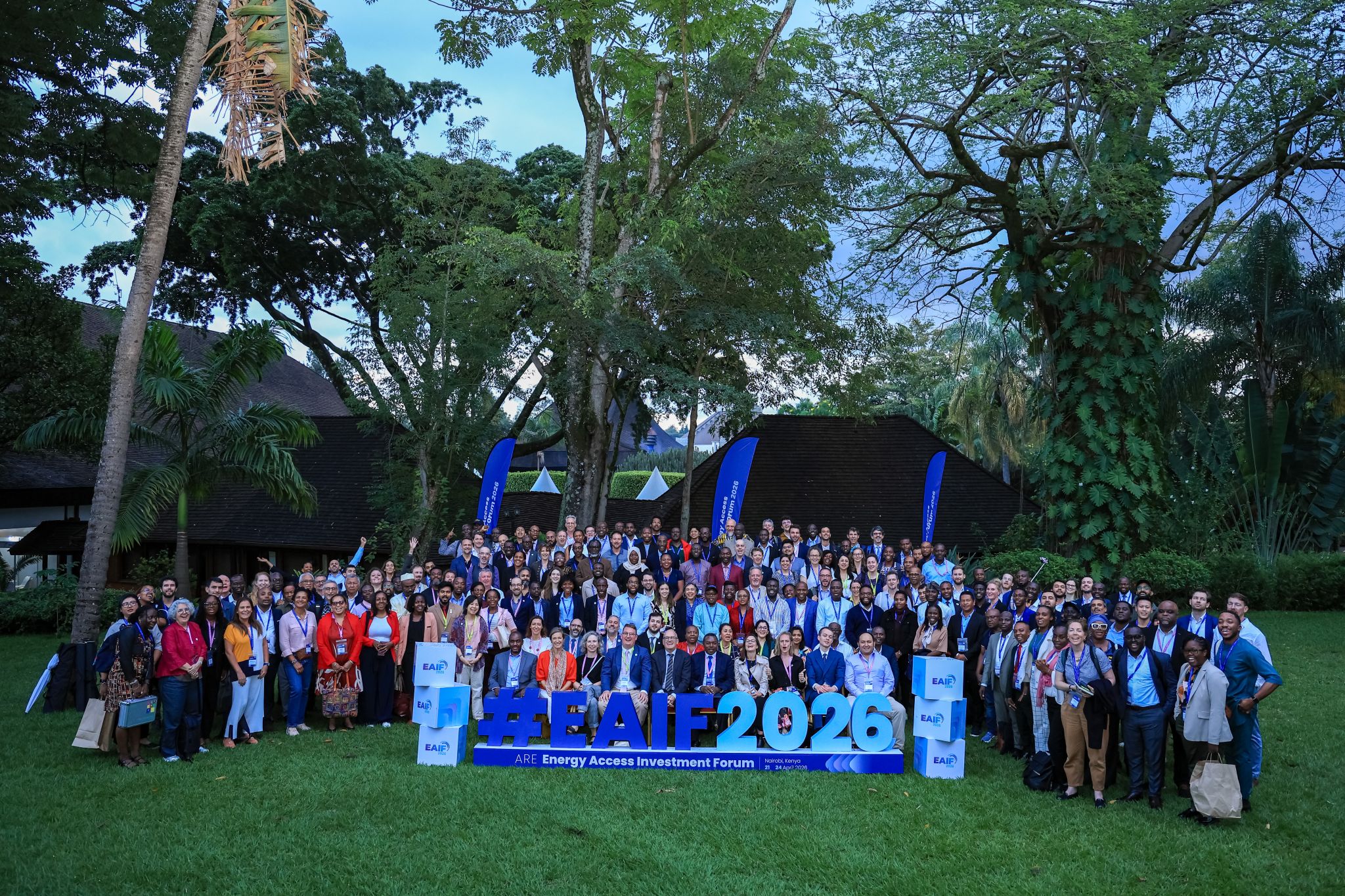
A family photo of EAIF 2026 attendees
A Strong Showing from Partner Universities
One of the highlights of the forum was the presence of our esteemed university partners. We were proud to be joined by representatives from:
-
Kenya: JKUAT, Strathmore University, and Moi University.
-
Lesotho: The National University of Lesotho.
-
Zimbabwe: The University of Zimbabwe.
-
Tanzania: Nelson Mandela African Institute of Science and Technology.
-
Malawi: Mzuzu University.
-
Uganda: Gulu University.
Beyond the main forum stages, these partners joined us for a high-impact workshop specifically focused on skills development. The session provided a unique space to bridge the gap between academic curricula and the evolving needs of the energy access sector.
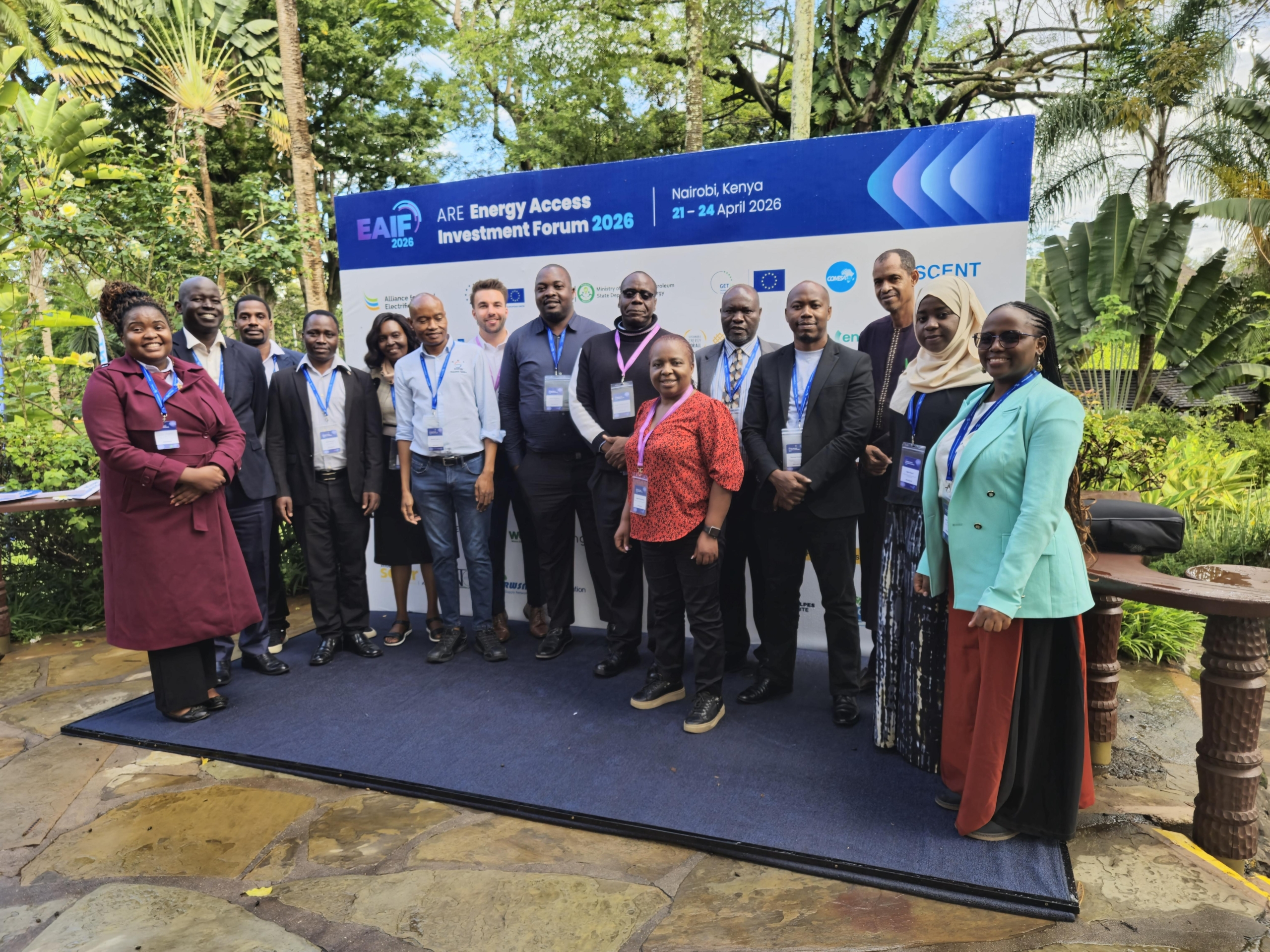
TEA-LP partners alongside a few of the industry representatives in the TEA-LP hosted workshop.
The Big Question: Localising the Energy Value Chain
On Tuesday, TEA-LP took to the stage for a pivotal panel discussion. Representing the partnership, Kai Forster joined a diverse group of experts from the Nigerian Rural Electrification Agency, CORE, ComAp, Schneider Electric, and Weza Power.
The discussion revolved around a central, critical question for the continent:
“How can we build a skilled workforce for the future that can lead the energy access value chain and establish manufacturing hubs across Africa?”
The panel explored the roadmap for localisation—moving beyond being consumers of technology to becoming innovators and manufacturers. The consensus was clear: industry growth is only possible when supported by a workforce that is technically proficient and locally grounded.
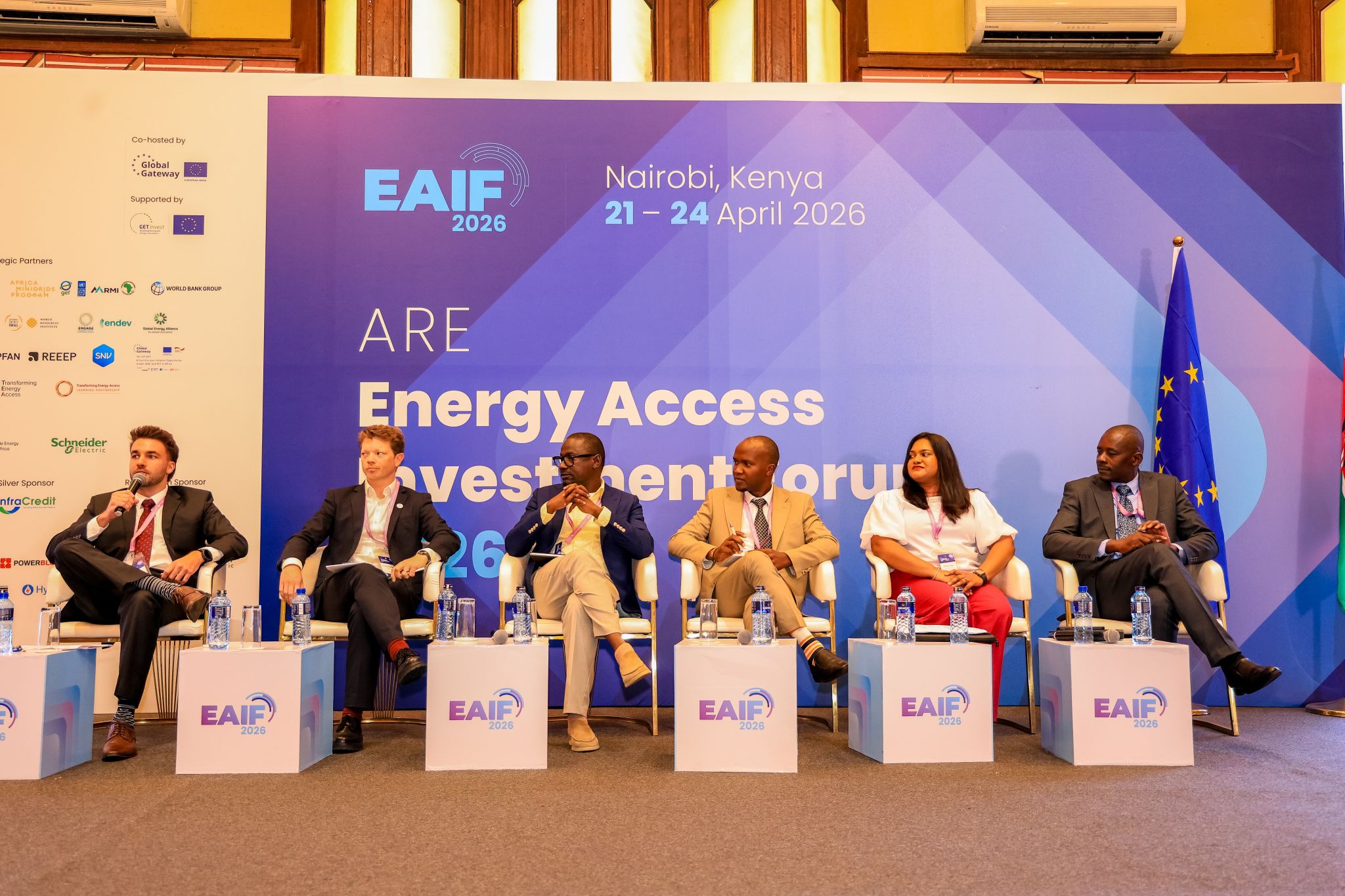
Kai Forster (far left) speaks on a panel at the 2026 EAIF
We would like to extend a special thank you to Dr. David Wekesa for his exceptional moderation, and to our co-panellists—Abba Aliyu, Francois Eudes, Ravishka Jairam, Samuel Mwangi, and Eugenia Masvikeni—for their invaluable insights.
Looking Ahead
The EAIF continues to be a powerful catalyst for collaboration. The networking and opportunity-sharing that occurred in Nairobi have laid the groundwork for new projects and strengthened existing bonds within the sector.
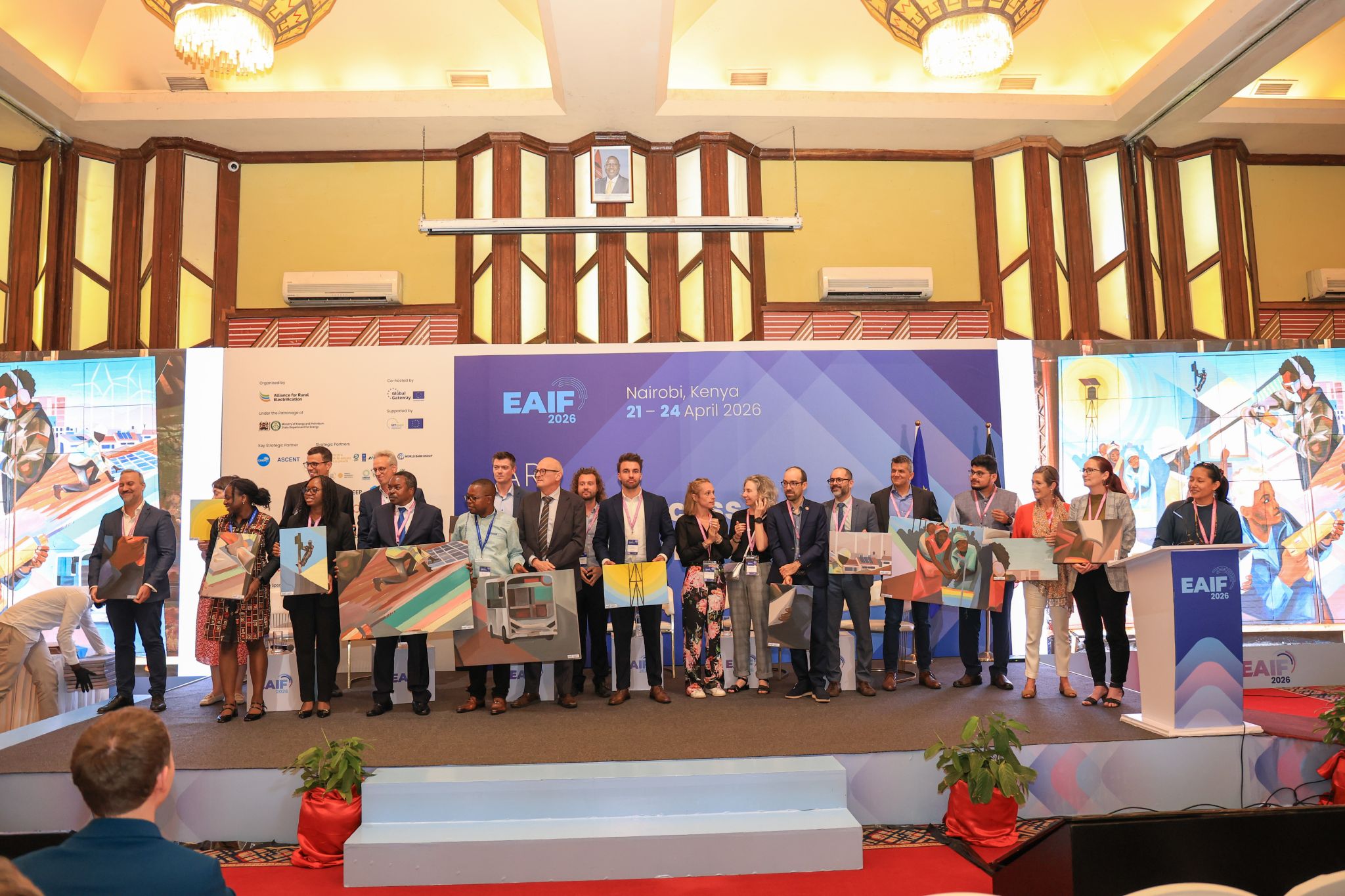
EAIF awards ceremony
Our sincere thanks go to David Lecoque, Jens Jaeger, and the entire ARE team for their hospitality and for organizing such an essential event. We left Nairobi feeling energised and more committed than ever to our mission of transforming energy access through education.
We look forward to seeing the progress made by our partners over the coming months and reuniting at next year’s forum!

