
Bridging the academic-industry divide: Insights from TEA-LP’s EAIF 2026 workshop
What does it truly take to prepare a graduate for the complexities of Africa’s evolving energy landscape? Is a degree alone sufficient, or is the sector entering an era where credentials must yield to competencies? These questions sat at the heart of a high-impact, closed-door workshop hosted by the Transforming Energy Access – Learning Partnership (TEA-LP) during the 2026 Energy Access Investment Forum (EAIF) hosted in Nairobi by the Alliance for Renewable Electrification (ARE).
Held in the Bougainvillea Lounge on a thundery afternoon on April 23 while being delivered by the charismatic Dr Francis Xavier Ochieng of JKUAT, the session brought together a unique assembly of 15 of our partner universities from around the region, and several dozen industry pioneers from organisations such as Schneider Electric, UNDP, Ennos, Okra, and Inensus. Building on previous dialogues between academia and industry at EAIF in Kampala, the workshop sought to move beyond identifying hurdles and toward co-creating actionable solutions for energy access workforce readiness.
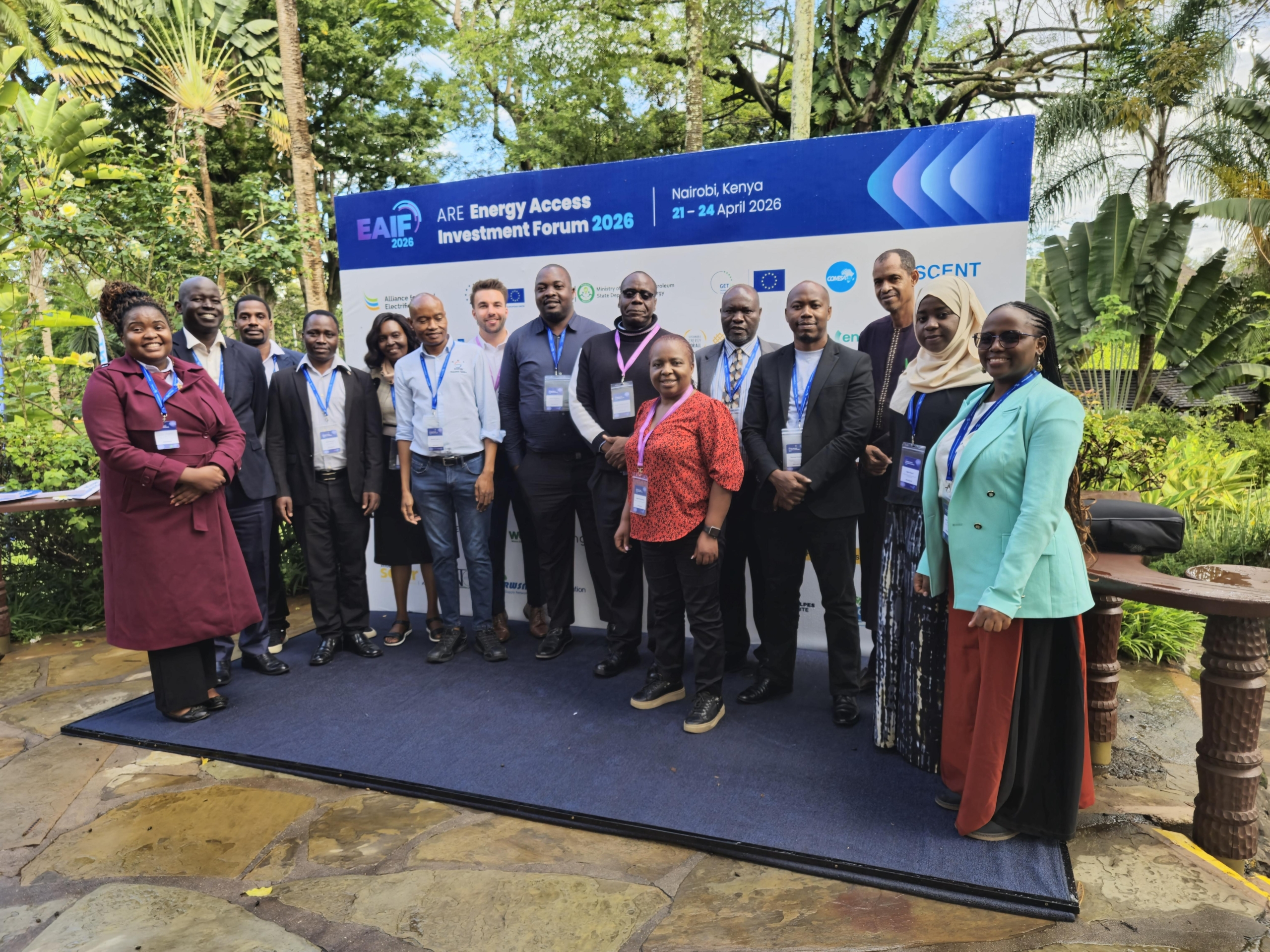
The TEA-LP university partners along with a few of the industry representative workshop attendees
The “Green Skills-First” Paradigm: Beyond the Technical
A recurring theme from previous years’ dialogues was the soft skills gap – while technical proficiency among graduates is often high on the African continent, industry partners noted that recruitment remains a pain point due to a lack of a range of soft skills, including “intrapreneurial” mindsets, working in teams, and regulatory literacy.
In response, the workshop explored the development of an East African Green Skills Passport. This framework aims to help lecturers align their curricula with the specific non-technical competencies demanded by the market, including:
-
Communication & Translation: The ability to explain complex technical solutions to non-technical stakeholders and rural communities.
-
Regulatory Literacy: Navigating energy tariffs, local policy frameworks, and the maturing East African Power Pool.
-
Ethics & Integrity: Cultivating a commitment to inclusivity, lifelong learning, and cultural sensitivity.
By shifting toward a “skills-first” hiring paradigm, data suggest that talent pools can broaden by up to 20%, significantly increasing participation from underrepresented groups, including women in engineering.
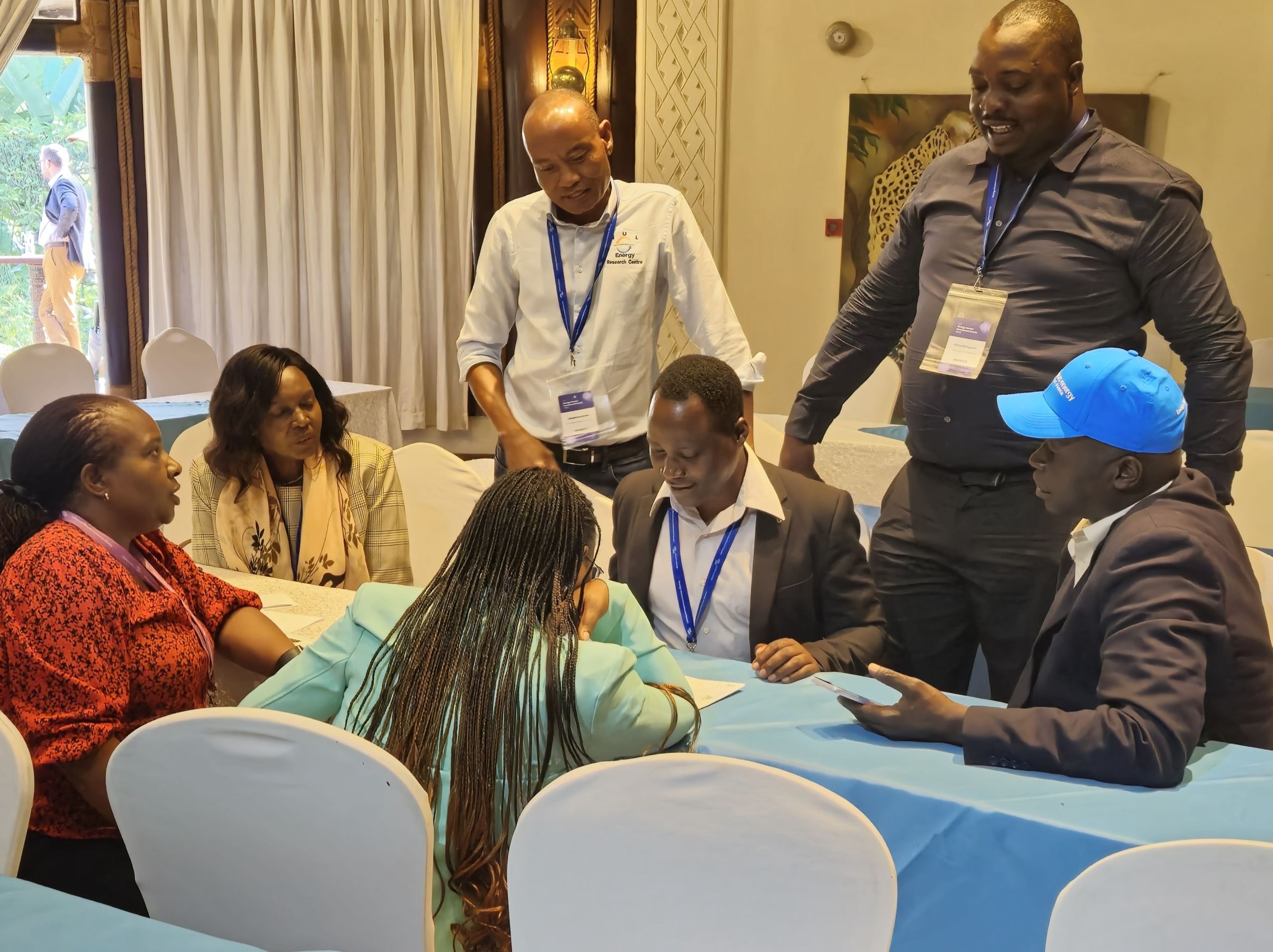
Some of the TEA-LP partners engage to discuss a soft skills passport for energy access
Future-Proofing through AI and Digital Sovereignty
Digitalisation is no longer a distant prospect; in 2026, AI-driven management is expected to reduce operational losses in African grids by as much as 20%. However, a persistent challenge remains: data is frequently unreliable, inaccessible, and of prohibitively poor quality.
The workshop featured a “curriculum sprint” focused on integrating AI and Small Language Models into energy education. These tools empower engineers to clean “untidy” data and optimise grid performance even in environments with limited compute resources. The proposed 10-day AI curriculum covers:
-
Energy Access Fundamentals: Including mini-grids and Productive Use of Energy (PUE).
-
Data & Digitalization: Utilizing GIS and remote sensing for site selection.
-
Applied Ethics: Ensuring transparency, fairness, and privacy in automated systems.
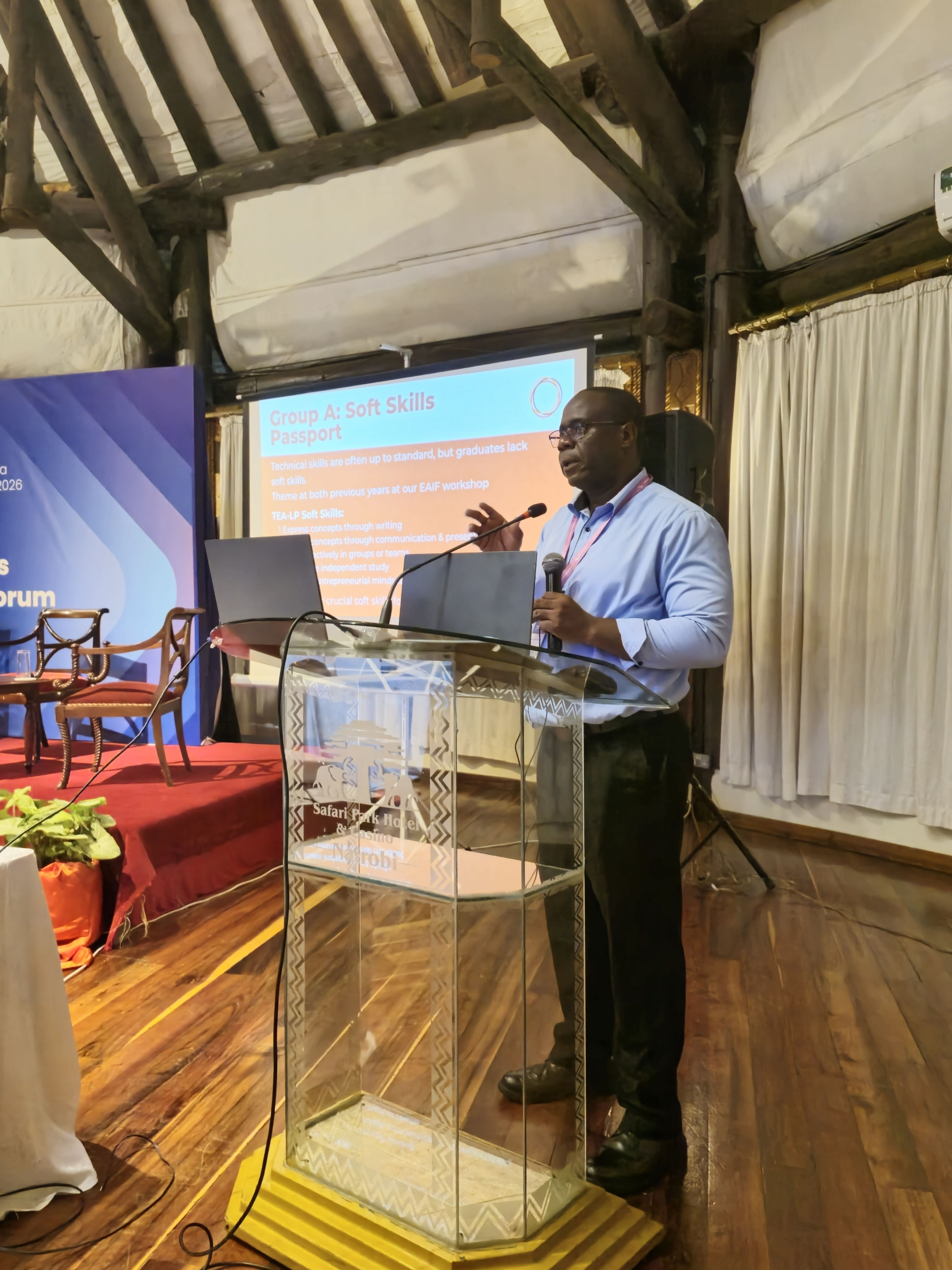
Dr Francis Xavier Ochieng delivers part of the workshop
The Applied Sandbox: A Win-Win for Industry and Academia
How can students gain hands-on experience without compromising sensitive corporate data? The workshop proposed an Applied Sandbox model to bridge the gap between classroom theory and real-world implementation.
Under this framework, industry partners provide students with anonymized, real-world datasets and business challenges. In return:
-
Students gain higher employability and practical problem-solving skills.
-
Industry receives fresh, data-driven solutions and an opportunity to vet top-performing talent for future recruitment.
-
Academia gains access to reliable data and solution-oriented project assessments.
To protect intellectual property, the group reached a consensus on the use of standardised NDAs and the inception of a shared database where industry can upload problems for academic institutions to tackle.
A Vision for 2026 and Beyond
As the decentralised energy sector grows, the role of the engineer is transforming into that of a “community diplomat”—someone who can negotiate with local leaders, manage complex projects, and innovate within a shifting policy landscape.
The TEA-LP workshop at EAIF 2026 was more than a meeting of minds; it was a commitment to ensuring that Africa’s energy transition is led by a workforce that is not only technically skilled but also ethically grounded and future-ready. We extend our deepest gratitude to our co-facilitators and participants for their fascinating contributions to this vital roadmap.

