
Driving rural mobility with solar power: training and awareness in Bangladesh
As the use of electric rickshaws continues to grow in rural Bangladesh, ensuring affordable and reliable charging has become an increasingly important challenge. The growing dependence on grid electricity has increased operating costs for drivers while placing additional pressure on the country’s electricity network. Recognising these challenges, the Department of Electrical and Electronic Engineering (EEE) and the Green Energy Research Center (GERC) at Independent University, Bangladesh (IUB), with the generous support of the Transforming Energy Access – Learning Partnership (TEA-LP) Rolling Fund, organised a two-day community outreach workshop on 11–12 May 2026. Held in Char Vabanipur, Konapara, Mymensingh, the workshop introduced local electric rickshaw drivers to practical solar-powered charging solutions and sustainable energy practices.
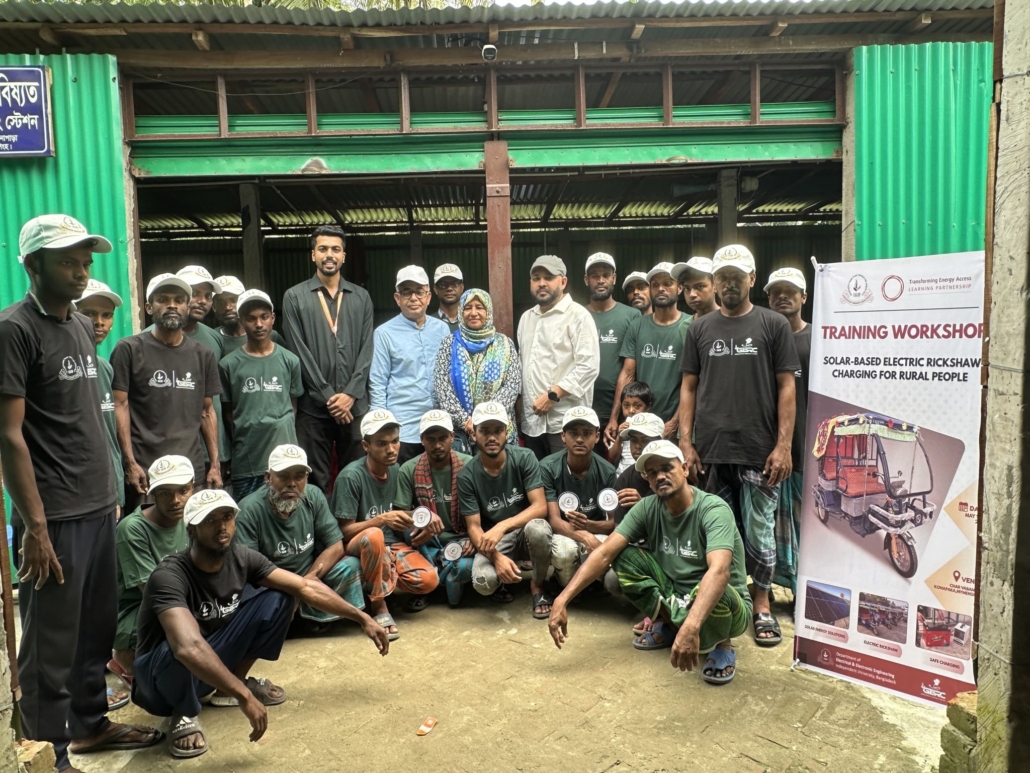
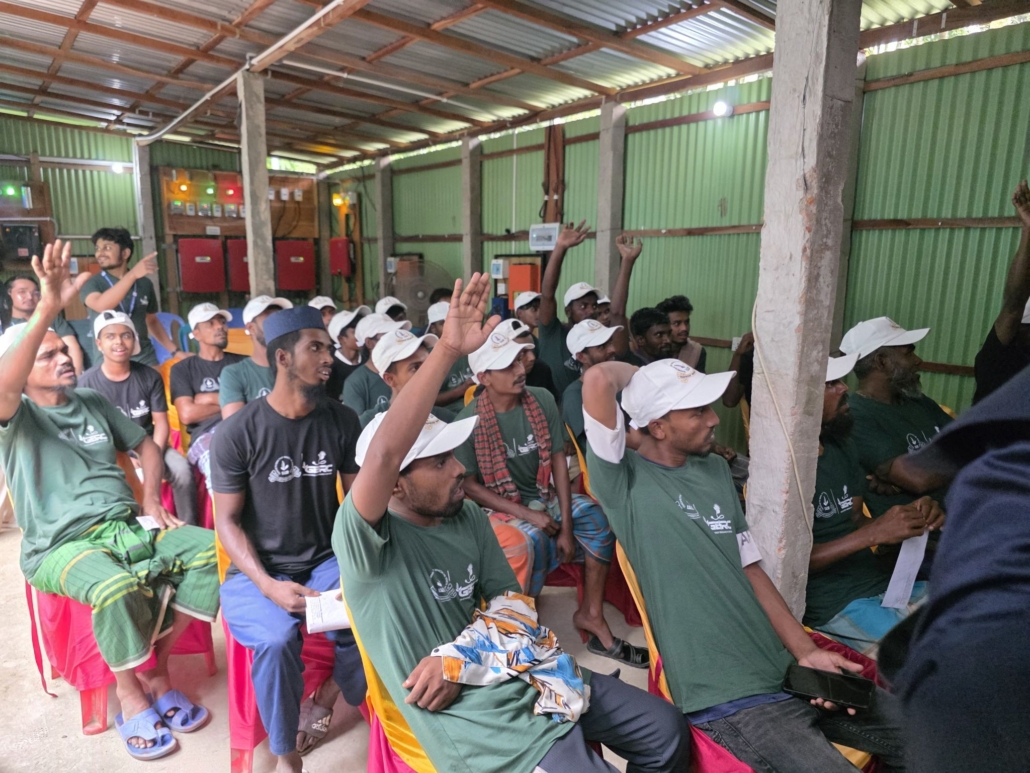
For many electric rickshaw drivers in rural Bangladesh, charging costs account for a significant share of their daily expenses, reducing their overall income. At the same time, frequent power interruptions and limited charging facilities make reliable vehicle operation difficult. Many drivers also have little access to technical training on battery care, safe charging practices, or the benefits of solar energy. As a result, poor battery maintenance often shortens battery life and increases operating costs. The workshop was designed to address these challenges by providing practical knowledge that can improve vehicle performance while promoting cleaner and more affordable charging alternatives.
The workshop followed three main phases: preparation, implementation, and follow-up. Before the event, the project team developed easy-to-understand training materials tailored for drivers and owners with limited formal education. Demonstration equipment, solar charging components, and technical kits were prepared to support hands-on learning. Approximately 30 drivers, owners, and technicians from the local community were selected to participate, while the venue was arranged to ensure an accessible learning environment.
During the workshop, participants attended interactive sessions combining technical presentations, live demonstrations, and open discussions. They learned how solar-powered charging systems work, explored the financial benefits of adopting solar energy, and participated in Q&A sessions with experts. The practical nature of the training encouraged participants to relate the lessons directly to their everyday experiences.

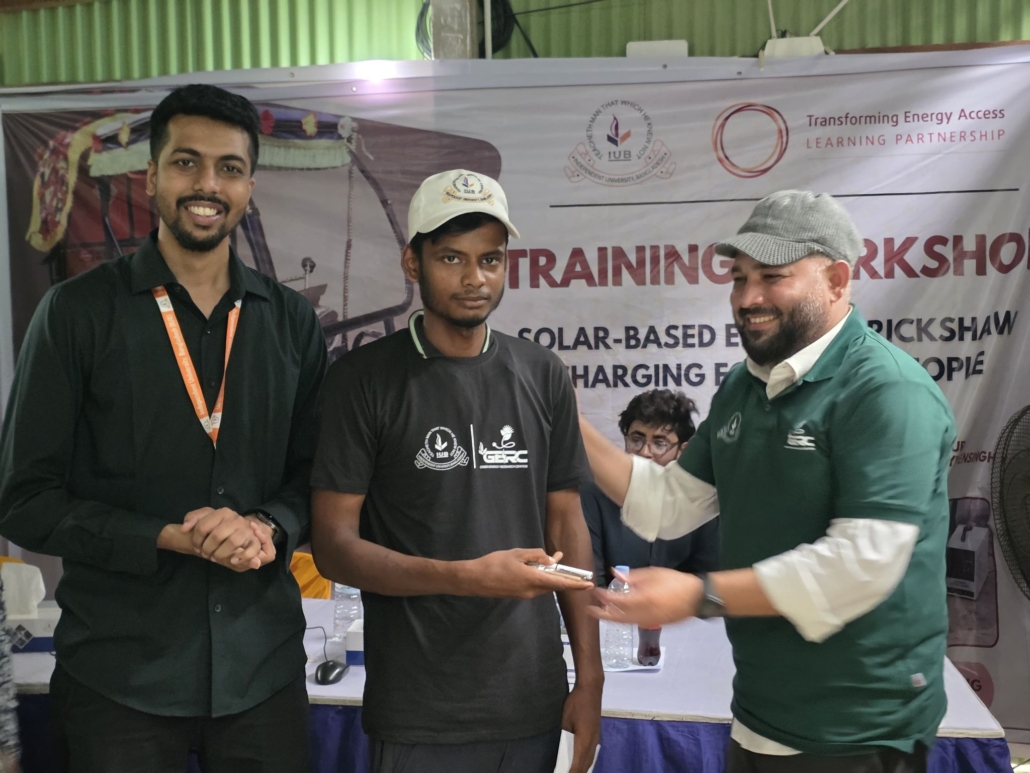
The training curriculum addressed the most important aspects of electric rickshaw operation and maintenance. Participants were introduced to the fundamentals of solar energy, including its availability, reliability, and environmental advantages. They learned how solar panels generate electricity and how solar charging stations operate in practice. A major focus was placed on battery management, covering correct charging methods, avoiding overcharging and deep discharge, and adopting simple maintenance practices to extend battery life. Safety was also emphasised, with guidance on electrical hazards, fire prevention, and safe battery handling. The workshop concluded with discussions on the financial benefits of solar charging, including cost savings, return on investment, and opportunities for establishing community-based solar charging stations.
The workshop was led by a team of experts with extensive experience in renewable energy and battery charging technologies. Dr. Khosru M. Salim, Director of the Green Energy Research Center (GERC), led the initiative, supported by Mohammad Rejwan Uddin and Md. Imtiaz Abedin, who are both battery charging specialists and adjunct faculty members in the Department of Electrical and Electronic Engineering (EEE) at IUB. Their expertise ensured that the training remained practical, relevant, and directly applicable to the participants’ everyday needs.
IUB students also contributed as volunteers by assisting with demonstrations, participant engagement, and event documentation. Their involvement provided valuable field experience and exposed them to the real-life energy challenges faced by rural communities. This interaction strengthened the connection between classroom learning and practical problem-solving while encouraging students to contribute to sustainable rural development.
The greatest strength of this initiative was its direct engagement with rural communities that often have limited access to technical training on emerging energy technologies. By sharing practical knowledge and encouraging dialogue between experts and local stakeholders, the workshop helped bridge the gap between academic research and real-world challenges. It also provided valuable field experience for IUB students, helping them better understand the needs of electric rickshaw users and support future research into sustainable rural transportation. Looking ahead, this model can be replicated across other rural regions of Bangladesh facing similar energy and mobility challenges. Ultimately, initiatives like this represent an important step toward cleaner energy, improved livelihoods, and sustainable rural development.
Fifteen days after the training, a survey was conducted via mobile phone. Some of the drivers and technicians provided their feedback, while others could not be reached. Most of them said they found the training valuable; however, because the topics were a bit technical, they needed more training. They appreciated the initiative and enjoyed the workshop.
(This achievement would not have been possible without the support of the Transforming Energy Access Learning Partnership (TEA-LP) Rolling Fund, funded by UKAID under the Transforming Energy Access Platform.)
– Prepared by Dr M. Khosru Salim

